
ICH Inventorying: Steps 4 & 5
 |
 |
 |
 |
 |
 |
Step 4: Documentation
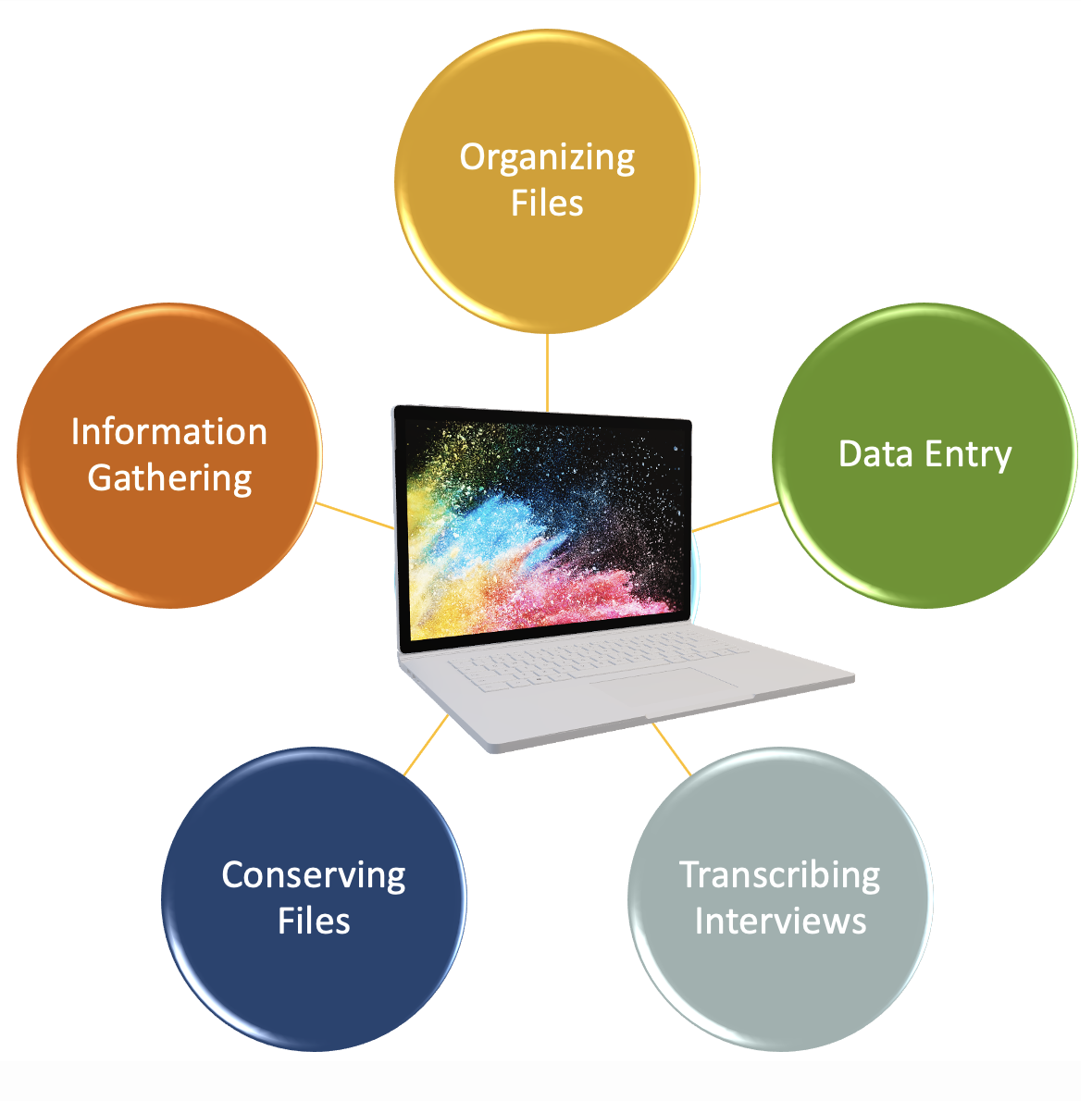
The documentation step consists of organizing the information and materials collected during the research. The activities associated with this stage are:
- Organization of information and data entry on the computer
- Organization of files
- Transcription of interviews
- Conservation of files.
The sample framework for organizing information provided here can help you not only to understand how to organize the data, but also what questions you can ask during the fieldwork search.
The data collected should be deposited in a local community archive, community institution, like community centres, schools, or libraries, so that it can be consulted by the community members whenever they want and need.
After organizing the information and files, it is necessary to produce materials that can promote knowledge about the intangible heritage manifestation. For example, an inventory can be transformed into catalogues of the cultural manifestations, textbooks for schools, books for general audience, photo exhibitions, and videos.
All these materials are important to generate awareness about the importance of intangible heritage in the community.
Step 5: Publicize
The material generated during the inventory will be made accessible to stakeholders, including communities and knowledge bearers. However, communities and groups concerned should have the possibility, if they wish, to restrict or regulate access to information about practices, expressions or knowledge that is contained in inventories.
Materials should be used to support educational activities and generational transmission.