3. Setting the Bar: Celebrating Days of Recognition and Commemoration
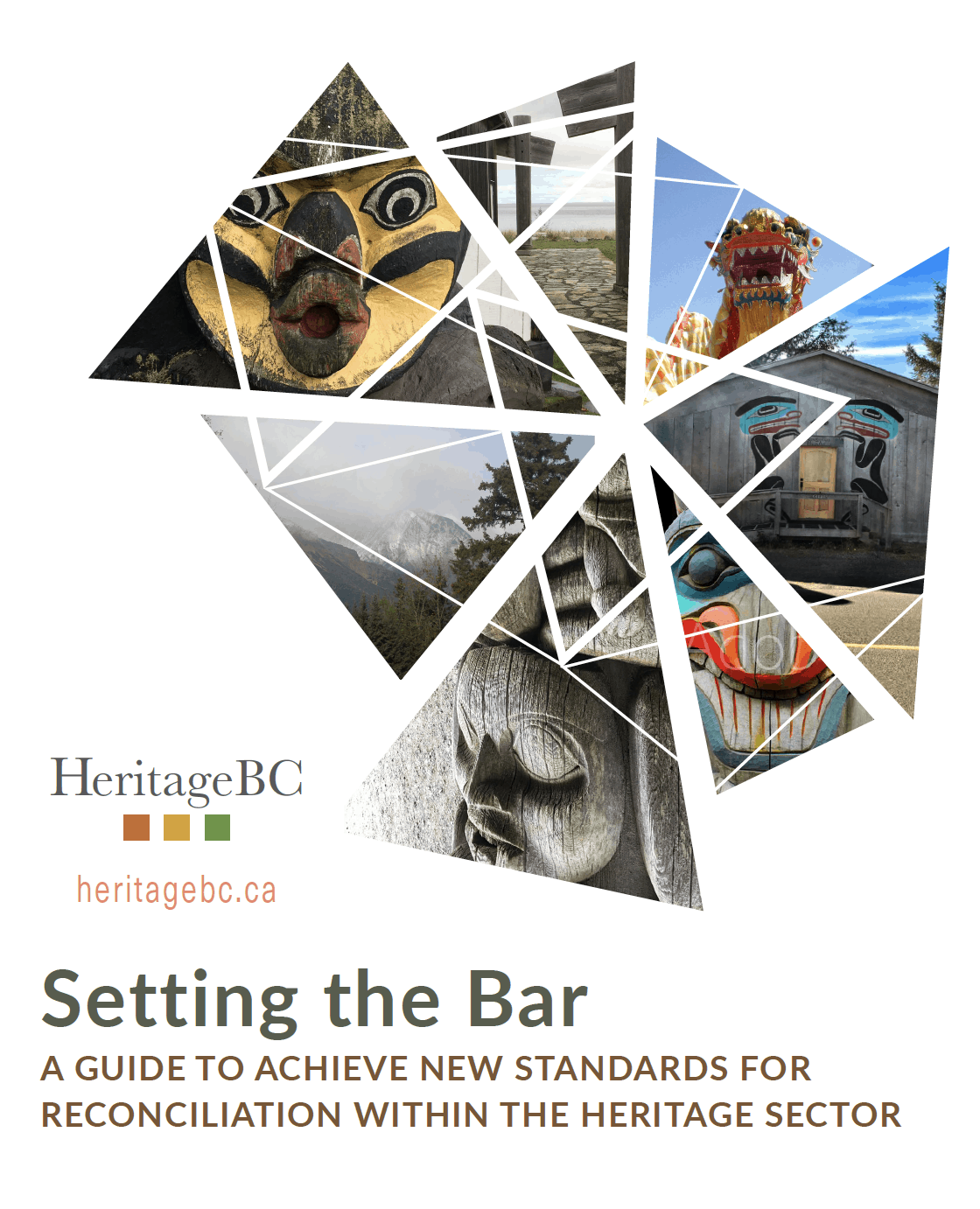
ACTION: Commit to incorporate National Indigenous Peoples Day, treaty days, cultural days, and other days of cultural significance into your programming and activities.
Download 3. Setting the Bar: Days of Recognition and Commemoration
-
- Tamil Heritage Month: January
- Black History Month: February
- International Women’s Day: March 8
- International Francophonie Day, March 20
- Sikh Heritage Month: April
- Asian Heritage Month: May
- Canadian Jewish Heritage Month: May
- National Indigenous Peoples Day: June 21
- Canadian Multiculturalism Day: June 27
- National Indigenous History Month: June
- Italian Heritage Month: June
- Important and Commemorative Days, Government of Canada here
National Indigenous Peoples Day and days to recognize other peoples and cultures are important for all Canadians to observe. These are days to honour, remember and learn about the contributions and struggles of people who have long resided in BC and your communities.
These days can be commemorated in different ways to celebrate peoples, histories, traditions, diversities, stories, cultures and artists.
When we pause to recognize people and culture in this way, we honour the essence of heritage:
“Stories of the past are our stories… to tell, sing, draw, write and record…. Everyone’s stories are important, and their contributions should be equally valued. For this to happen, everyone needs to be given a voice.” (THE STATE OF HERITAGE)
We offer the following list of activities as inspiration. But we urge you to go beyond our list as you consider the qualities of your site and organization to develop activities that are truly grounded in your community’s unique stories. Of course, it must always be remembered that we do this work with others – not for others.
- Plan special activities to highlight relevant artefacts; invite elders and community leaders to talk about artefacts and what they mean to their cultures. Develop special materials, such as videos and handouts, to help the public understand the significance and history of the artefacts and what they mean to your community.
- Learn a greeting in a different language and add it to your communications.
- Develop a partnership with another business and invite them onto your site. Seek out culturally appropriate food trucks and support local businesses. Organize displays in main street windows and work with retailers to highlight cultural products.
- Highlight musicians and artists through performances, exhibitions, residencies and talks. Commission a new work, perhaps using something in your collection as a starting point.
- Screen films and videos. Invite directors and actors to speak about their work. The National Film Board has an extensive collection of films and documentaries (use these links to focus your search: Indigenous, Black, Asian, Japanese, Chinese, and Jewish).
- Offer a curated list of books, films and music that is inspired by your collection and your work. Offer readings and book clubs on your site.
- Offer storytelling and crafting sessions with cultural artists. Involve youth so they grow up with positive and diverse cultural experiences.
- Share videos and other materials that are offered by Historica Canada (Heritage Minutes), Canadian Heritage, BC Museums Association, Heritage BC, First Peoples’ Cultural Council and other organizations.
- Schedule a series of social media posts that will help your community learn about cultural histories and traditions. Promote the activities of other organizations.
- Invite cultural leaders to write blog entries that can be posted on your website and added to your emailers.
- Invite cultural leaders to board meetings and ask how your organization can improve its relationships and work with other community groups.
- Dedicate a board meeting to cultural sensitivity training. At another meeting, focus on the history of your collection: how did artefacts come to your site? How are they interpreted? Is the story that is being told appropriate and how do you know that? The make-up of organizations is constantly changing, so organizational education never ends.
- Explore BC’s cultural historic places:
- Learn about Indigenous language groups and territories: https://native-land.ca/ and https://www.whose.land/
- With a quick search, you will find an extensive range of materials to support your programming and activities. For example:
Recognition of Indigenous Peoples and peoples of other cultures and groups should not be relegated to one day or one month and this type of recognition should be part of a much larger organizational effort. In the heritage sector, it is our responsibility to do this work every day.
Reflect on and learn about the diversity and cultural history of your area. Be intentional. Be a leader.
Sources
National Indigenous Peoples Day: 10 ways to celebrate
11 Ways to Virtually Celebrate National Indigenous Peoples Day
Five Ideas for Celebrating Indigenous Peoples’ Day 2020
Celebrate National Indigenous Peoples Day
National Indigenous Peoples Day
Government of Canada, About National Indigenous Peoples Day
Government of Canada, Black History Month