

Two years ago, Heritage BC reimagined our Annual Conference, creating a format focused on place-based learning, collaborative discussions, and learning directly from local communities. In keeping with this approach, we are proud to host the 2026 Annual Heritage Conference in the Sea to Sky region.
To ensure the program reflects the stories and heritage narratives that matter most to the people who live, work and play in this region, Heritage BC convened an advisory group for a workshop early in the planning process to shape the program together. We invited 23 individuals representing diverse communities and relationships to heritage, beginning with members of the Sḵwx̱wú7mesh Úxwumixw (Squamish Nation) and Líl̓wat Nation, and including local archaeologists, planners and architects, and government representatives. Folks from across the region joined the workshop, including Britannia Beach, Squamish, Whistler, and Pemberton.
The workshop revealed the Sea to Sky as a place where land, water, and story are inseparable, and where heritage is deeply tied to living Indigenous knowledge, environmental stewardship, and community resilience. Participants spoke of the need for respectful interpretation of Squamish heritage, stronger storytelling about the region’s cultural and natural history, Indigenous heritage, and thoughtful approaches to tourism that balance visitor demand with conservation and cultural protocols. These conversations pointed to heritage not only as something to be preserved, but as an active relationship with a place that requires care, education, and collaboration.
From here, we agreed on the theme to this year’s conference: Living Connections: People, Place, and Stewardship. As we continue to move forward in the planning and development of the program, we are deeply grateful for the leadership of our Conference Committee. This group has been kindly sharing their expertise with us from the start and their experiences are grounding the conference in place and practice. In this blog post, we highlight the Committee members and their relationships to heritage, place, and stewardship.
Below, the Conference Committee shares a bit about themselves and why this year’s theme matters to them.
Tsawaysia Spukwus
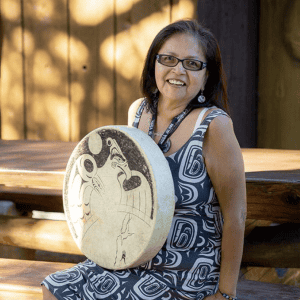
Tsawaysia Spukwus, also known as Alice Guss (née Harry), is a devoted member of the Sḵwx̱wú7mesh Úxwumixw, recognized as a junior Elder, mother, and grandmother. She is a prominent cultural leader and educator, deeply committed to preserving and sharing her heritage.
Raised in Squamish, BC, Tsawaysia has spent over 35 years teaching and mentoring in her community, offering workshops in drum-making, cedar-bark and wool weaving, traditional medicine, storytelling, song, and dance. Her work bridges generations and audiences, engaging youth, schools, museums, and broader communities, while supporting cultural continuity, language preservation, and intergenerational knowledge sharing.
Recognized as a cultural ambassador, Tsawaysia continues to lead programs that sustain and revitalize Sḵwx̱wú7mesh heritage, connecting traditional practices with contemporary educational and community initiatives.
Sisolia (Donna Billy)
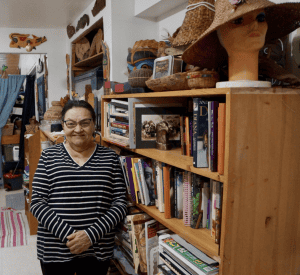 Sisolia (Donna Billy) is a respected Elder of the Sḵwx̱wú7mesh Úxwumixw. Sisolia has a strong history of civic engagement, including serving on the Sḵwx̱wú7mesh Úxwumixw council, running for the District of Squamish council, and being instrumental in developing a new Elders program for the Nation. Currently, she is an active member of the Constitution Development Working Group and serves as the president of the Squamish Multifaith Association.
As a lifelong learner and cultural teacher, she finds joy in sharing her Sḵwx̱wú7mesh-specific teachings with the younger generation, such as through the program Squamish Nature Learners – teaching cedar‑rope making, weaving, traditional fishing techniques, and Sḵwx̱wú7mesh‑specific teachings about respect for body, mind and nature.
Heather Fynn
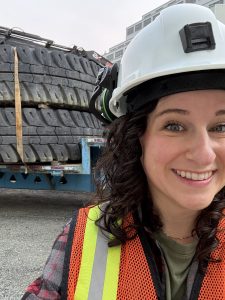 Heather Flynn is currently serving as Curator at Britannia Mine Museum. With a background in geology and museum studies, she brings a unique perspective to heritage work, blending her STEM roots with a passion for storytelling, public education, and collections management.
Originally from Texas, she moved to Vancouver in 2020 and has since been finding her place in Vancouver’s museum and heritage community. In her role at Britannia, she helps preserve and interpret the region’s mining history, making the site’s industrial and environmental legacy accessible and meaningful for visitors.
“The theme Living Connections speaks to the heart of why we do this work: to strengthen the relationships between people and the places that shape us.”
Diane Mitchell
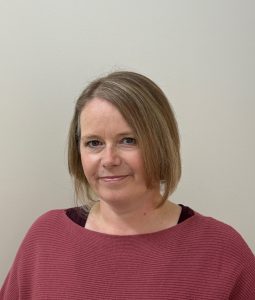 Diane Mitchell is an interpretive planner and writer living in the traditional, ancestral and unceded territory of the Sḵwx̱wú7mesh Úxwumixw (Squamish Nation). She has run her business, Red Rock Creative, offering her services to a host of organizations across the country since 2021. Prior to that, she spent 25 years in the museum world, in both education and curatorial roles in Scotland and Canada.
She was the Curator of Education and Collections for fourteen years at the Britannia Mine Museum, working closely with Heritage BC’s Executive Director Kirstin Clausen who was then the ED of the museum. Diane has a background in geology and a love for the natural world. She is passionate about engaging others on meaningful topics, particularly through the written word. Diane also works with local non-profits including the Howe Sound Biosphere Region Initiative Society.
“I hope participants will take away hope and be inspired by the work that has gone on in this region in reviving both natural and cultural heritage through dedication and hard work by many. What may have seemed impossible a few decades ago, or at the very least unlikely, has become a wonderful example of what communities can achieve when they put their minds to it, collaborate and take action, even if that action is one baby step at a time.”
Jessie Abraham
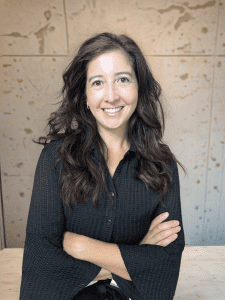 Jessie Abraham is a Registered Professional Planner with over a decade of experience working in the Sea-to-Sky corridor. Based in Squamish, she has lived in the community and worked throughout the region for the past 10 years, supporting local governments, non-profits, and community organizations on land use planning, housing policy and developments, and community-based projects. Her work is grounded in a strong understanding of local context, collaboration with First Nations and stakeholders, and a commitment to planning approaches that reflect community values, history, and place.
“I hope participants leave with a broader understanding of heritage as active and ongoing – embedded in how we move through, respect, and care for place. By integrating this perspective into everyday practice, particularly in land use planning and development decision-making, we can reframe heritage as more than preservation alone and support living heritage that continues to shape connected communities.”
Denise Cook
 Denise Cook has a background in landscape architecture, public history and ecological restoration, and today works as a heritage conservation planner, focusing on landscapes, park planning and interpretative planning. Denise has a strong relationship with the Sea to Sky region.
In the late 1960s, Denise’s uncle was a teacher at Mamquam Elementary School, living with my aunt and cousins in the teacherage associated with the school. We made many trips on the newly paved and twisty-turny Sea to Sky Highway in the back seat of a Volkswagen beetle – steep cliffs on one side, a sheer drop to the PGE Railway tracks and Howe Sound on the other, and then the first view of the monolithic Stawamus Chief. In the 1990s, Denise worked as a parks planner in Whistler, living in Squamish in a log cabin downtown on the edge of the Squamish River estuary dyke. She was involved in the Arts Council and the Parks and Recreation Commission, and after work and on weekends took advantage of all the outdoor recreation opportunities Squamish has to offer.
“Living Connections speaks to Squamish’s unique sense of place and the symbiosis between nature and culture, inviting participants to experience heritage as a living, relational process shaped by people, landscapes, and stewardship across the Sea to Sky.”
Gavin Chamberlain
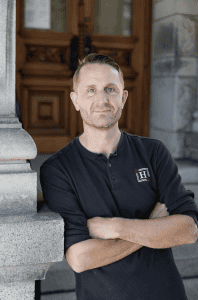 Gavin Chamberlain is a Stonemason, GSC, Principal, Heritage Masonry & Conservation Ltd, CAHP member and HBC Board Member. Gavin has 19 years of experience in traditional stonemasonry having started on his path repairing drystone walls around the farms and fells of Northern England. As the founder and co-owner of Heritage Masonry & Conservation, Gavin has created a hub for conservation and restoration of historic structures in Victoria, bringing together like minded specialist tradespeople from far afield. As a Board Member of Heritage BC, Gavin is driven to bring more craftspeople into the organization and work towards greater collaboration and oversight in his industry.
“This conference theme is meaningful to me as my job on the surface appears to be about materials and labour, but really it’s just as about the people and traditions that created the structures we restore and those that will inhabit the space next. The design and intent of the future use of built heritage is so led by the culture and needs of the people who live in and around these spaces. I hope to talk to people about their crafts and make connections with like minded individuals.”
A common set of values emerges across the Committee’s reflections that are deeply rooted in responsibility to place and in the relationships that sustain heritage work. They speak about heritage, not as something fixed or confined to the past, but as something lived: carried through teachings, labour, stewardship, storytelling, and everyday interactions with land and community. Whether through cultural leadership, museum practice, interpretation, planning, or environmental advocacy, there is a strong collective commitment to caring for both people and place over time.
Learning from Indigenous knowledge and local experience is central to these perspectives. Committee members emphasize the importance of listening, humility, and intergenerational exchange; recognizing that stewardship and repair are ongoing processes shaped by collaboration and respect. At the same time, they acknowledge the complex legacies of industry, development, and environmental impact in the Sea to Sky region, and the responsibility to hold those histories honestly while working toward renewal.
Together, these shared threads will shape a conference grounded in connection: between past and future, culture and landscape, memory and action. Living Connections: People, Place, and Stewardship invites participants to reflect on their own roles within these relationships, and to leave inspired by what is possible when communities come together with care, determination, and a shared sense of responsibility.
As we continue to shape the 2026 Conference, we extend our sincere thanks to the Conference Committee for the time, insight, and care they have generously shared in guiding this work. Their lived experience, knowledge, and commitment to people, place, and stewardship are helping to ground the conference in meaningful dialogue and local context.
Conference registration is now open. We invite you to register, follow along for upcoming program announcements, and begin engaging with the theme of Living Connections in your own work and communities. Together, we can honour the stories of this place, learn from one another, and strengthen the relationships that shape the future of heritage in British Columbia.