
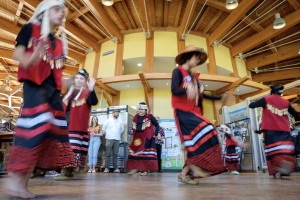
From May 4 to 6, Heritage BC gathered on the traditional, ancestral, and unceded territory of the Sḵwx̱wú7mesh Úxwumixw for the 2026 Annual Heritage Conference: Living Connections: People, Place & Stewardship. Over three days at Britannia Beach and Squamish, 100 heritage practitioners, Indigenous leaders, and community advocates explored what it means to care for places, stories and cultures that define heritage in this region.
Christy Smith’s keynote address set the tone for the sessions that followed. She spoke about heritage as an ongoing and continuous relationship between people, place and practice.She challenged attendees to make three important shifts to help embed reconciliation into heritage work and a more equitable, sustainable sector:
- Move away from transactional approaches and towards genuine relationship-building
- Stop asking what the risks are and start asking what is valuable and worth protecting
- Make a commitment to long-term stewardship that takes a holistic approach to developing meaningful partnerships, moving beyond project deadlines and deliverables.
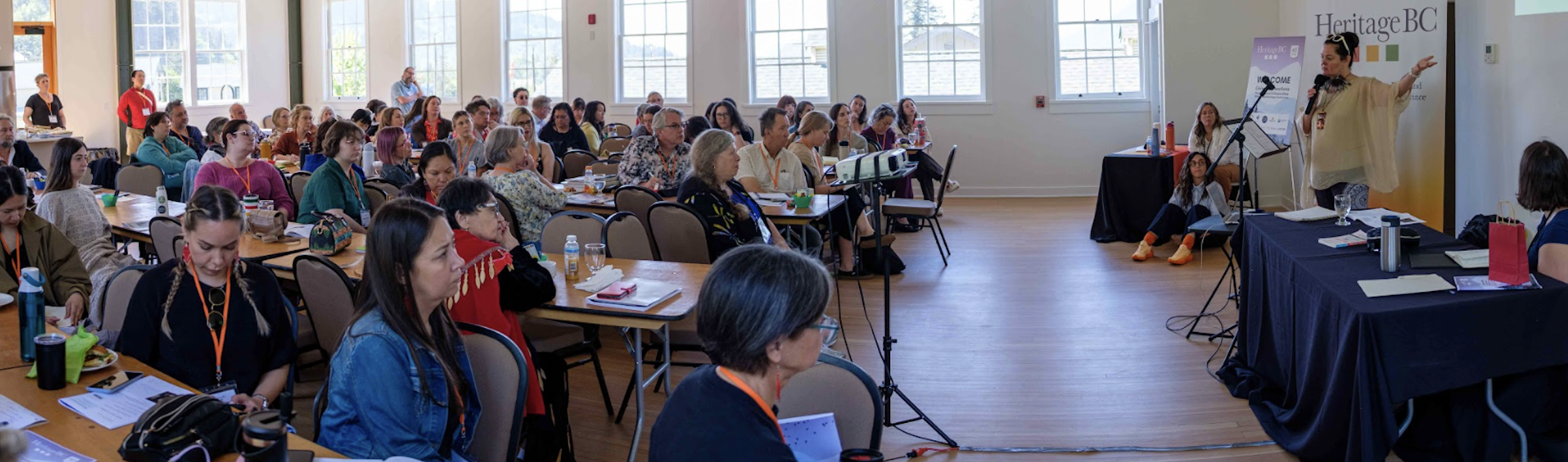
The themes introduced by Christy carried through every session that followed on Tuesday. In Britannia Beach, presenters explored what industrial heritage can become when communities refuse to let it disappear, the painstaking transformation of Britannia Village from environmental liability to thriving heritage community, the decades-long effort to save and reimagine Mill No. 3, and the hard questions about what cultural tourism looks like when it is grounded in genuine accountability to the communities it depends on. The Brackendale Art Gallery, Pemberton Museum, and MONOVA spoke about how their work is becoming increasingly responsive to the communities they serve through collaborative programming, valuing the intangible cultural aspects of gathering spaces, and reframing the returning of belongings.
On Wednesday, attendees learned about Squamish’s new Heritage Strategy, a values-based, community driven framework designed to be a living document that weaves together archaeological work, a new local archive, forestry history, and the trails that mark the natural landscape. We heard from individuals who worked tirelessly to restore the natural environment of Átl’ka7tsem/Howe Sound that resulted in the UNESCO Biosphere designation and allowed for building a masterplan community that incorporates a partnership with the Sḵwx̱wú7mesh Úxwumixw, including a youth-designed Áynewi7 Playground grounded in oral history and cultural knowledge, bringing their vision to the land. We capped the conference off, by looking toward the future and what it means to build something that lasts generations.
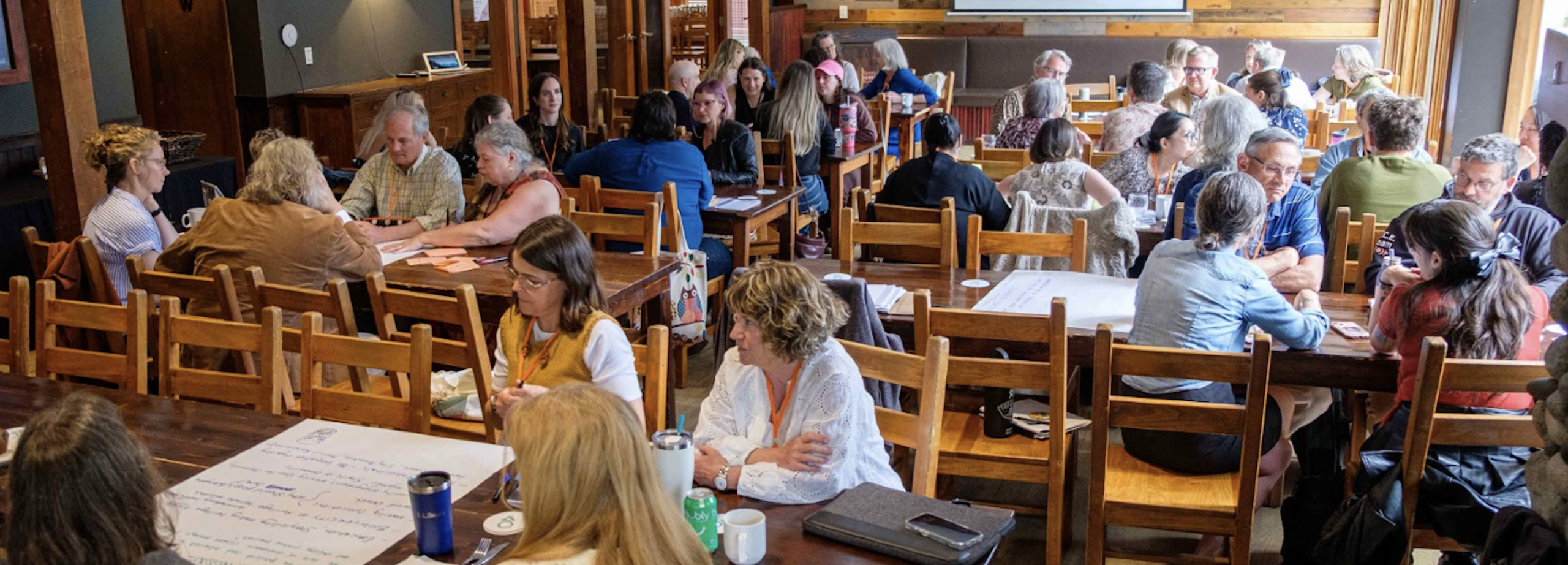
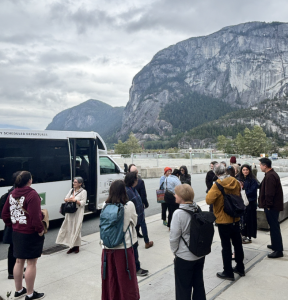
We left the conference with new relationships and a renewed sense of what heritage communities are capable of. We are deeply grateful for our speakers and delegates whose conversations made the conference memorable, as well as for the support of our generous sponsors: O4 Architecture, BCAHP, the Squamish-Lillooet Regional District, Nickel Bros, Woodfibre LNG, Heritage Masonry & Conservation, Iredale Architecture, Luxton, and the BC Museums Association.
We also extend special thanks to our host partner, Britannia Mine Museum, for welcoming us to their remarkable site. Additional appreciation goes to Britannia Beach Community Hall, Macdonald Development Corporation, and the Squamish Adventure Centre. Thank you to Howe Sound Inn & Brewing and Fierce Fuel Catering for keeping everyone well nourished. We are also grateful to Ian Babbitt of Cummer Heritage Consulting for capturing the energy, conversations, and events so beautifully.
In 2027, the Heritage BC Annual Conference will be held in the Victoria region. We hope to see you there!